Phone:
(701)814-6992
Physical address:
6296 Donnelly Plaza
Ratkeville, Bahamas.

Phone:
(701)814-6992
Physical address:
6296 Donnelly Plaza
Ratkeville, Bahamas.
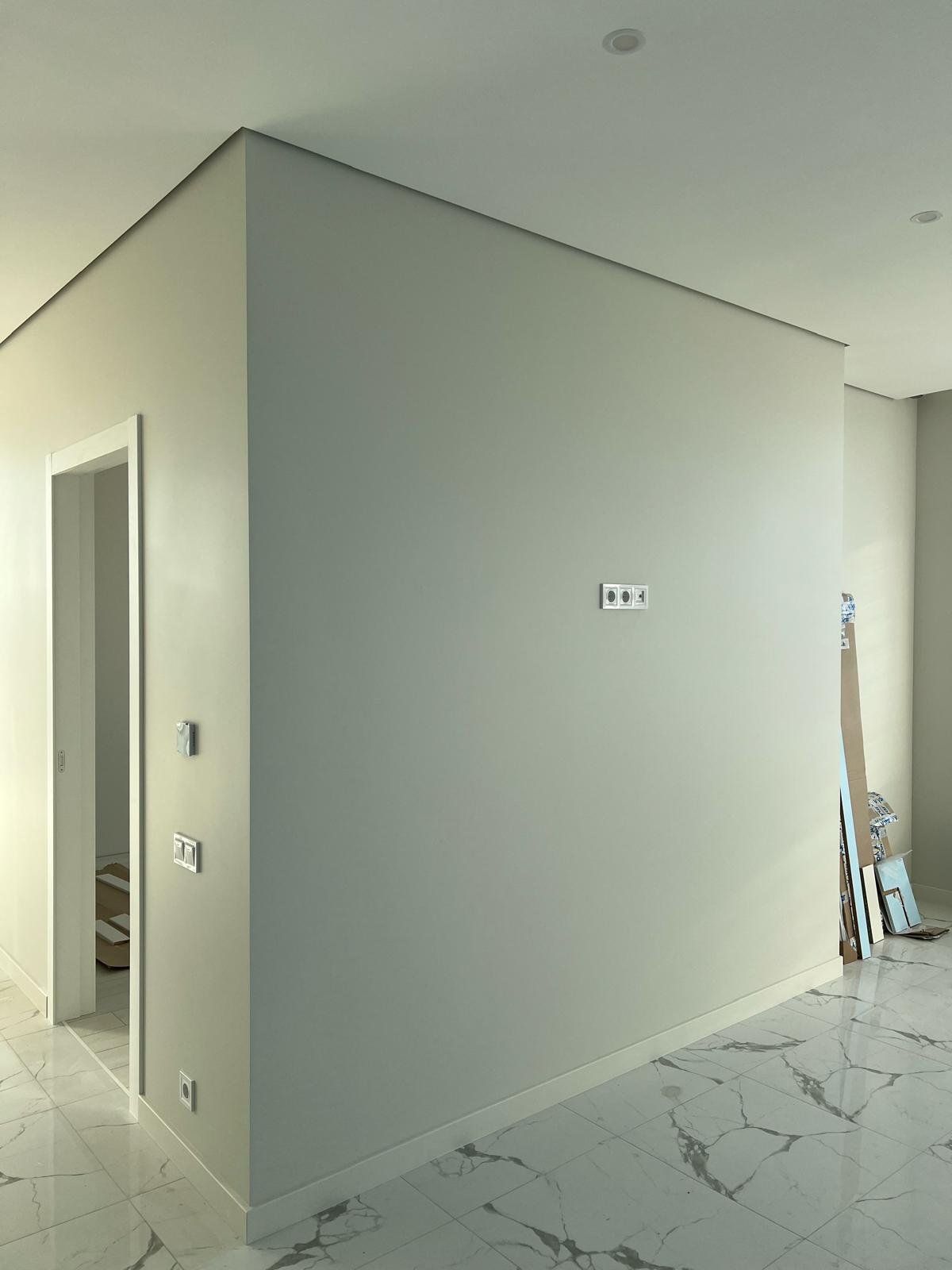
When considering wall finishes, one of the most common questions homeowners ask is: “Is plaster waterproof?” Whether you’re thinking about Venetian plaster for your living room or decorative plaster for a feature wall, understanding its water resistance is crucial.
At DecoMaster, we specialize in high-quality decorative plaster finishes, helping our clients in Lancaster, PA and surrounding areas enhance their interiors with style and durability. In this post, we’ll explore the water resistance of plaster and how it performs in various environments.
Plaster is a versatile material that has been used for centuries to create smooth, textured, and even decorative wall finishes. The two main types of plaster commonly used in home interiors are:
While both types offer aesthetic appeal, their water resistance varies depending on how they’re applied and treated.
The simple answer is no, plaster itself is not waterproof. It is water-resistant to some degree but not completely impervious to water. Over time, plaster can absorb moisture, which may lead to damage such as cracking, mildew, or discoloration if exposed to water consistently.
If you’re concerned about moisture, there are ways to improve the water resistance of plaster:
While plaster can be used in most areas, it’s not ideal for areas with constant moisture exposure, like:
If you still want a plaster-like look in these areas, consider alternative options like waterproof paint or tile for wet surfaces.
Plaster remains a top choice for those seeking a luxurious, long-lasting, and unique wall finish. If you’re looking for high-quality finishes that will enhance your space, DecoMaster offers expert Venetian plaster and decorative plaster services in Lancaster, PA and surrounding areas. Here’s why you should consider it: