Call or text
(223) 264-1537
Decorative & Venetian plaster
Serving the Main Line, Chester & Lancaster County, PA

Call or text
(223) 264-1537
Decorative & Venetian plaster
Serving the Main Line, Chester & Lancaster County, PA
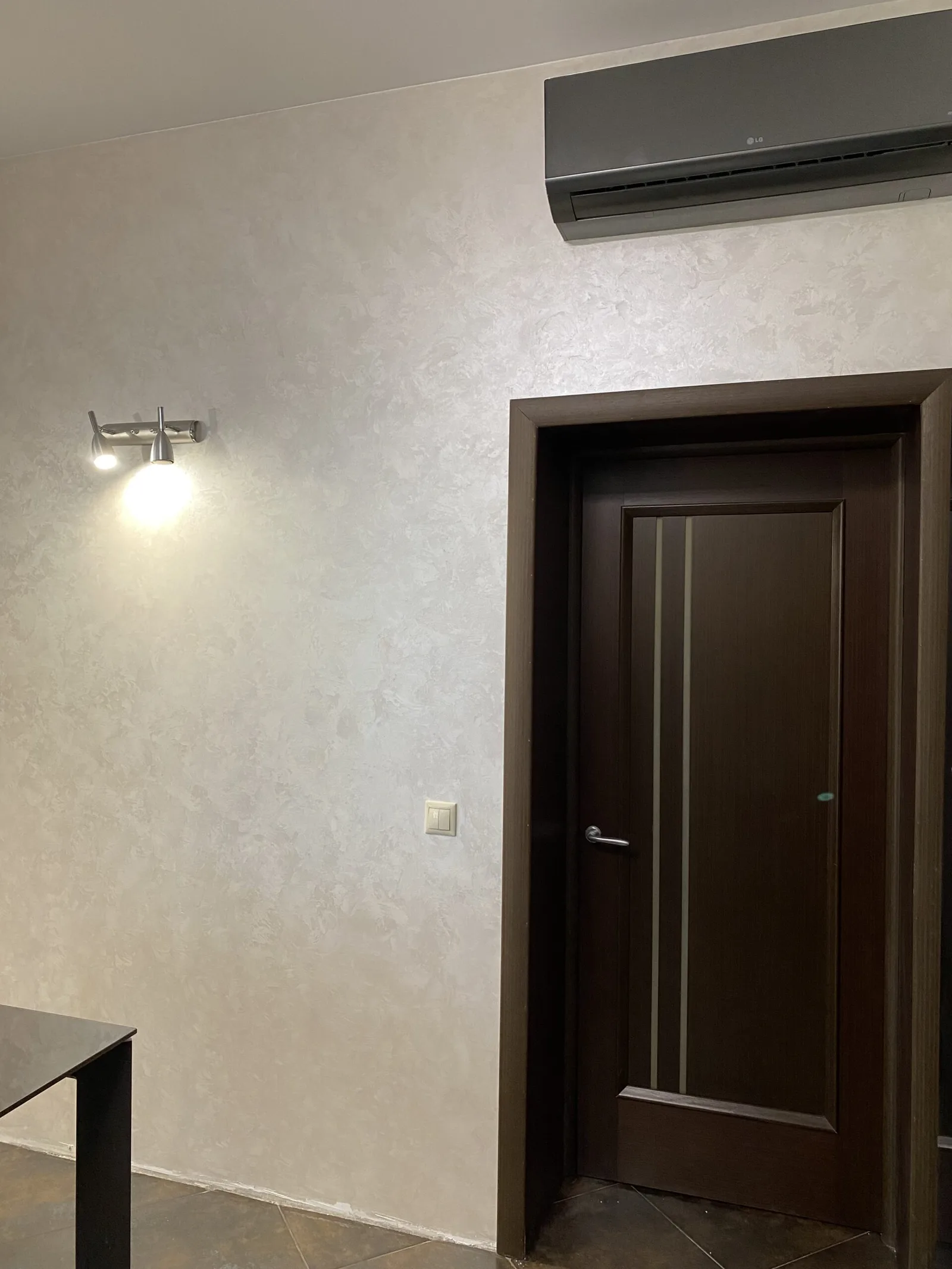
Marmorino vs Venetian plaster: same Italian roots, different texture and sheen — here is when to use each.
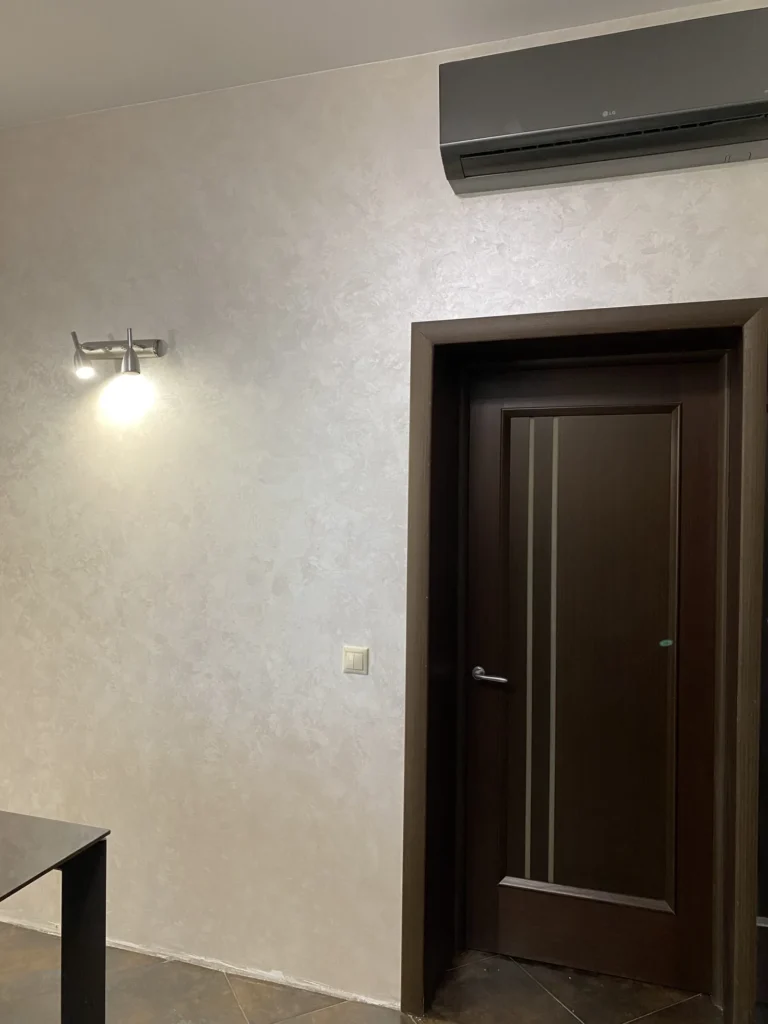
Marmorino and Venetian plaster are closely related Italian lime finishes — in fact, Venetian plaster is part of the Marmorino family. The difference is mostly about texture and sheen. Here is what sets them apart and when to use each.
Both Marmorino and Venetian plaster are made from slaked lime and crushed marble, and both have been used in Italy for centuries. The terms overlap, which is why they are often confused.
“Venetian plaster” usually refers to the highly burnished, glossy, marble-like finish — smooth and reflective. Marmorino is the broader family and is often left with a bit more texture and a matte-to-satin sheen, giving a more natural, stone-like look reminiscent of travertine or limestone.
Essentially yes — both are lime-and-marble Venetian plasters. “Venetian plaster” tends to mean the glossy, highly burnished version, while Marmorino covers the broader, more textured family.
Marmorino generally shows a little more natural texture and a stone-like matte-to-satin surface, while classic Venetian plaster is polished smooth and glossy.
Marmorino, usually — its versatility and slightly lower cost make it well suited to wrapping entire rooms, while high-gloss Venetian shines on a single feature wall.
Ready to see these finishes in person? Explore Venetian plaster, microcement, Tadelakt, Marmorino and Roman clay on our decorative plaster page.
Free consultations and detailed quotes across the Main Line, Chester County, and Lancaster, PA. Tell us about your space and we will recommend the right finish.