Call or text
(223) 264-1537
Decorative & Venetian plaster
Serving the Main Line, Chester & Lancaster County, PA

Call or text
(223) 264-1537
Decorative & Venetian plaster
Serving the Main Line, Chester & Lancaster County, PA
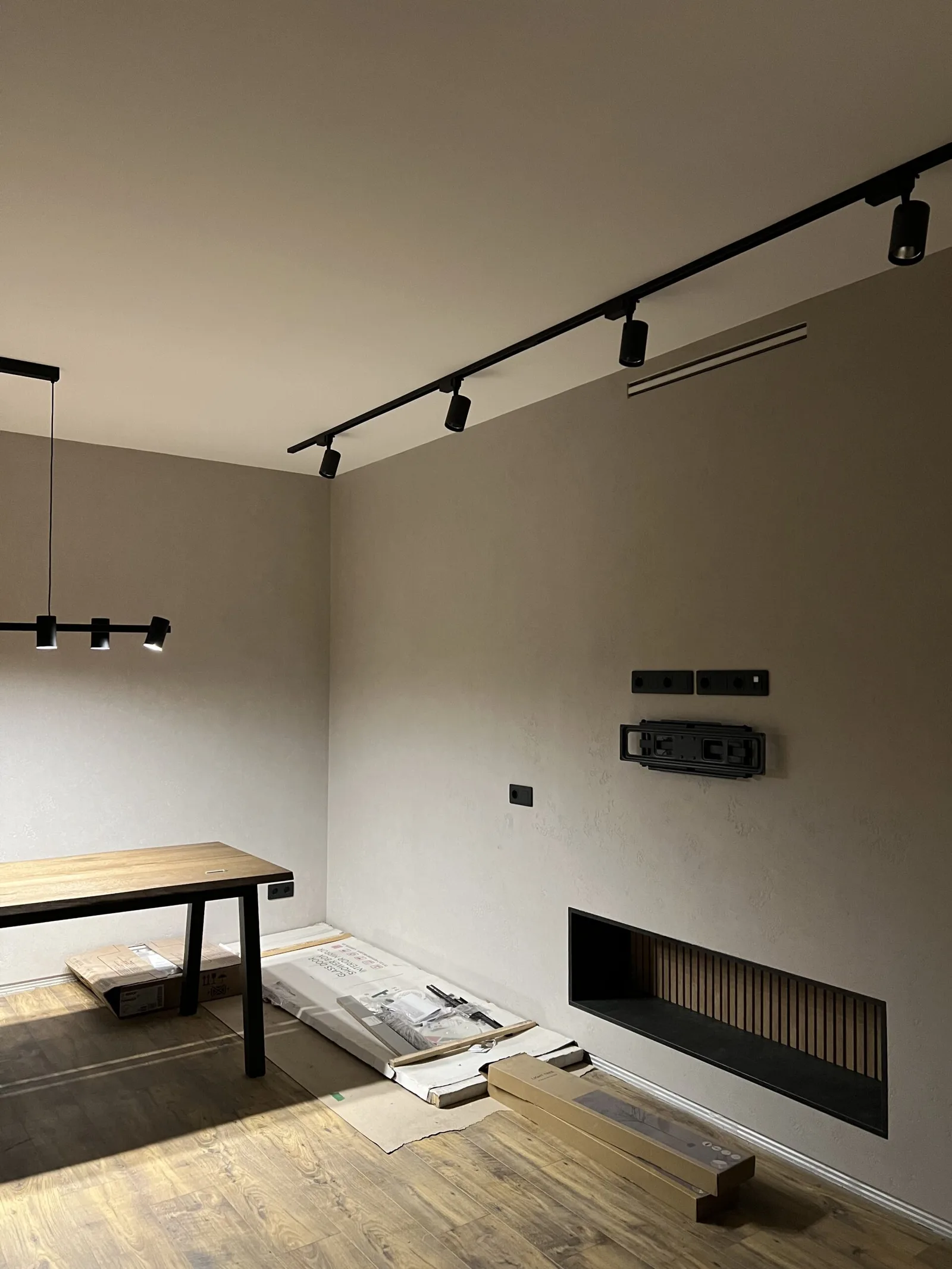
Venetian plaster explained: what it is made of, how it is applied, what it costs and where it works best.
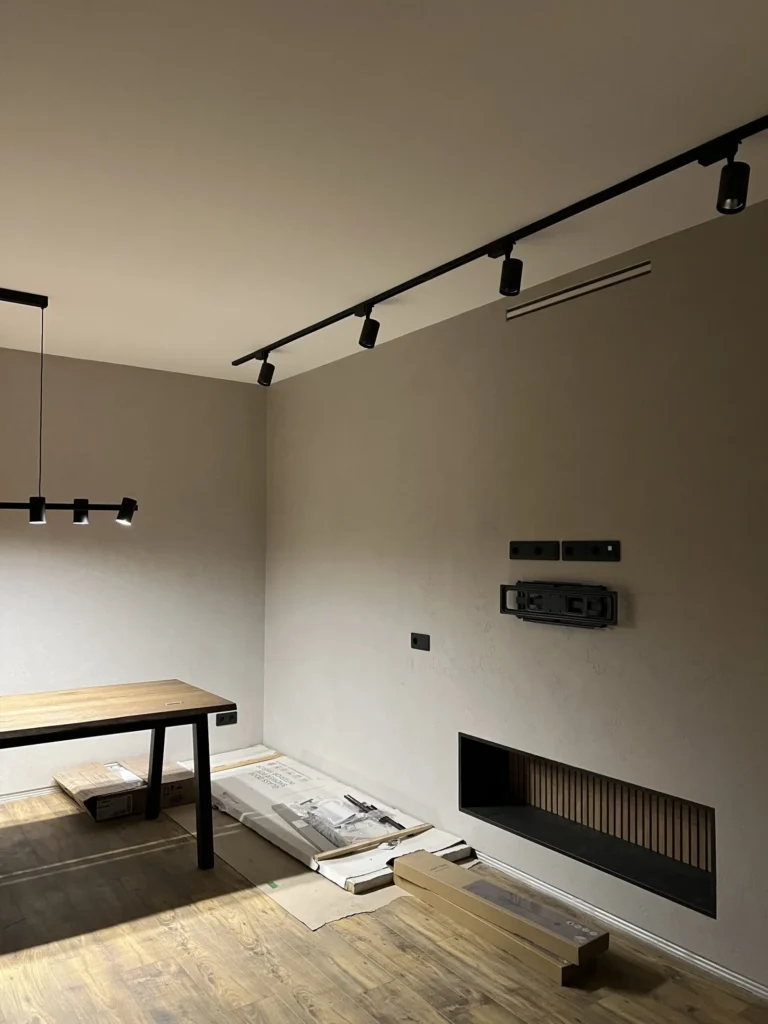
Venetian plaster is a luxury wall finish made from slaked lime and finely ground marble, applied in thin layers and burnished by hand to a deep, marble-like sheen. It has been used since Roman times and remains the most coveted decorative finish in the world. Here is how it works, what it costs, and where it belongs.
True Venetian plaster (in Italian, stucco veneziano) is a blend of slaked lime putty and finely milled marble dust, tinted with natural mineral pigments. There is no plastic or acrylic in an authentic mix — the same materials the Romans and, later, Renaissance Venetians used to give their palazzos walls that glow like polished stone.
When it is troweled on and then burnished, the marble particles compact and the lime cures into calcium carbonate — effectively turning the surface back into a thin skin of stone. That is why a real Venetian plaster wall feels cool and looks like it has depth you could reach into.
The look depends entirely on technique, which is why it is a craft rather than a coating. A typical application looks like this:
In Pennsylvania, authentic hand-burnished Venetian plaster typically runs $15 to $30 per square foot installed, depending on the number of coats, the sheen and the condition of the wall. Because a single accent wall makes such a strong statement, many homeowners start there rather than doing a whole room.
It excels on feature and accent walls, in entryways and stairwells where light changes through the day, and in powder rooms where a small space can be made jewel-like. For full bathrooms and showers, water-tolerant cousins like Tadelakt or microcement are a better fit.
It contains real marble dust suspended in lime. When burnished and cured, the surface genuinely takes on the look and cool touch of polished stone — which is why it reads as marble even though it is applied like a plaster.
Applied over a properly prepared, stable wall it is very resistant to cracking. Lime is slightly flexible and breathable, which actually helps it cope with normal building movement better than rigid coatings.
Home-center “Venetian plaster” paints exist, but they are acrylic imitations and look it. Authentic lime-and-marble plaster requires skill with a trowel and proper burnishing — it is genuinely a trade.
Ready to see these finishes in person? Explore Venetian plaster, microcement, Tadelakt, Marmorino, Roman clay and more on our decorative plaster page.
Free consultations and detailed quotes across the Main Line, Chester County, and Lancaster, PA. Tell us about your space and we will recommend the right finish.