Call or text
(223) 264-1537
Decorative & Venetian plaster
Serving the Main Line, Chester & Lancaster County, PA

Call or text
(223) 264-1537
Decorative & Venetian plaster
Serving the Main Line, Chester & Lancaster County, PA
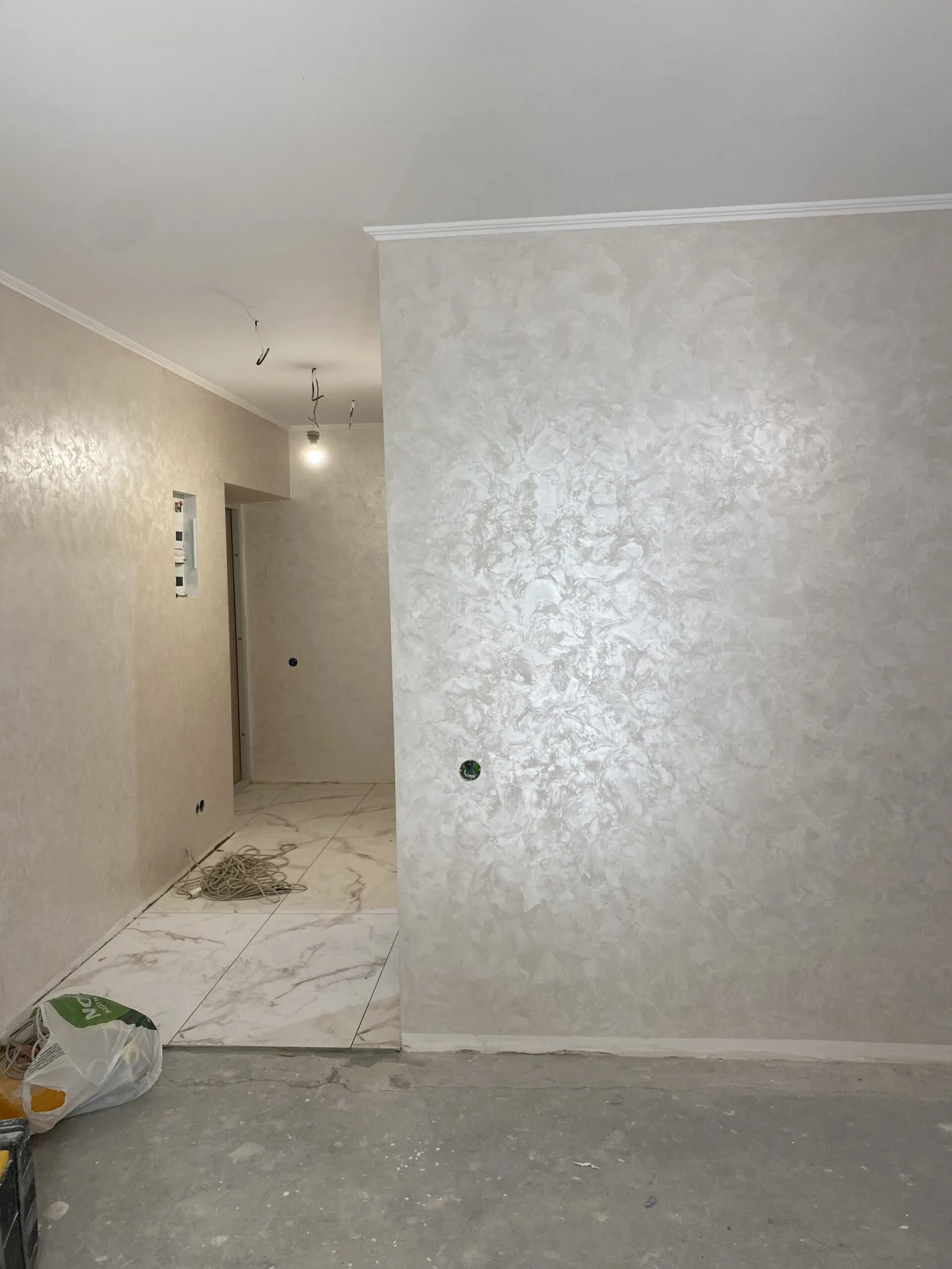
Roman clay explained: the soft, matte plaster behind today’s warm-minimalist interiors.
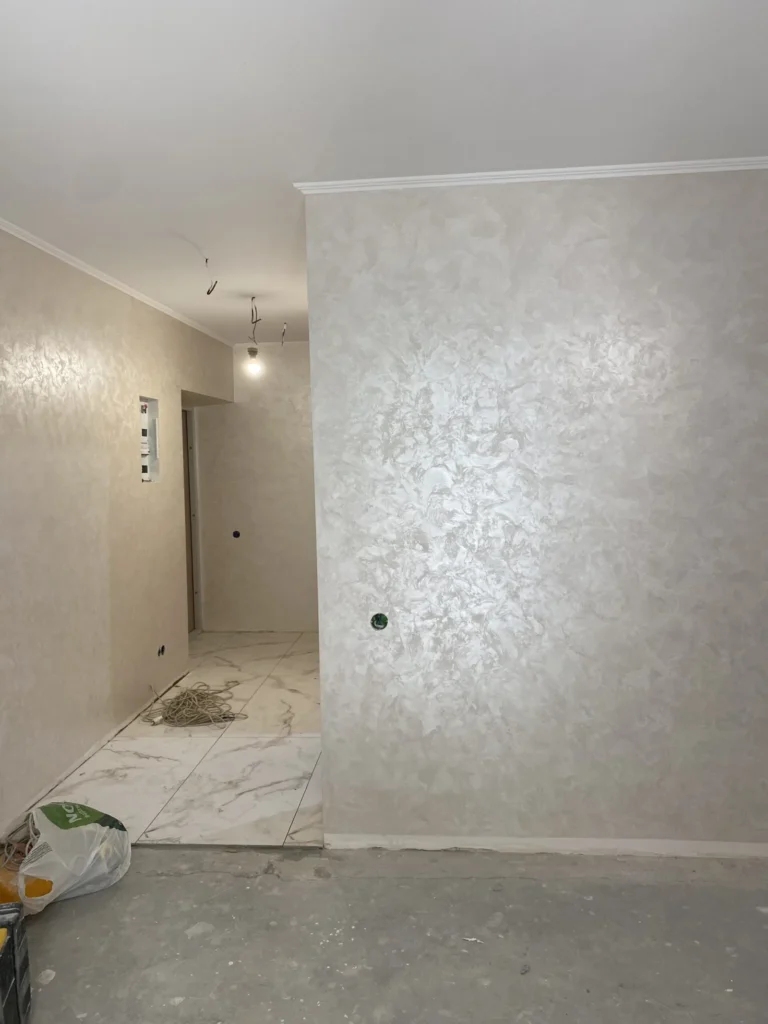
Roman clay is a smooth, lime-and-clay based plaster that dries to a soft, suede-like matte finish with gentle tonal movement. If Venetian plaster is the glossy showpiece of the plaster family, Roman clay is its calm, contemporary cousin — and it is everywhere in modern interior design right now.
The defining feature of Roman clay is its matte, sheen-free surface. Where Venetian plaster is burnished to a polish, Roman clay is left soft, so it reads as warm and understated rather than reflective. It carries cloudy, layered color that shifts subtly across the wall but never shines.
It is also more forgiving to apply over large areas, which makes it the natural choice when you want plaster across a whole room rather than on a single accent wall.
Roman clay fits the warm-minimalist look that defines so much current design: natural materials, soft texture and quiet color. It pairs beautifully with oak, linen, stone and plaster-look kitchens.
Roman clay typically runs $9 to $18 per square foot installed, making it one of the most accessible ways to get a genuine plaster finish — especially over larger areas. See our Roman clay service page for details.
No. Both are lime-based, but Roman clay is matte and soft while Venetian plaster is burnished to a polished sheen. They are often used together — Venetian on a feature wall, Roman clay across the rest of the room.
Yes; it cures to a hard mineral surface. In high-touch areas a matte sealer keeps it washable without adding shine.
On walls away from direct water, yes, with a sealer. For shower interiors use Tadelakt or microcement instead.
Ready to see these finishes in person? Explore Venetian plaster, microcement, Tadelakt, Marmorino, Roman clay and more on our decorative plaster page.
Free consultations and detailed quotes across the Main Line, Chester County, and Lancaster, PA. Tell us about your space and we will recommend the right finish.